
Best Business Advisor Guide 2026
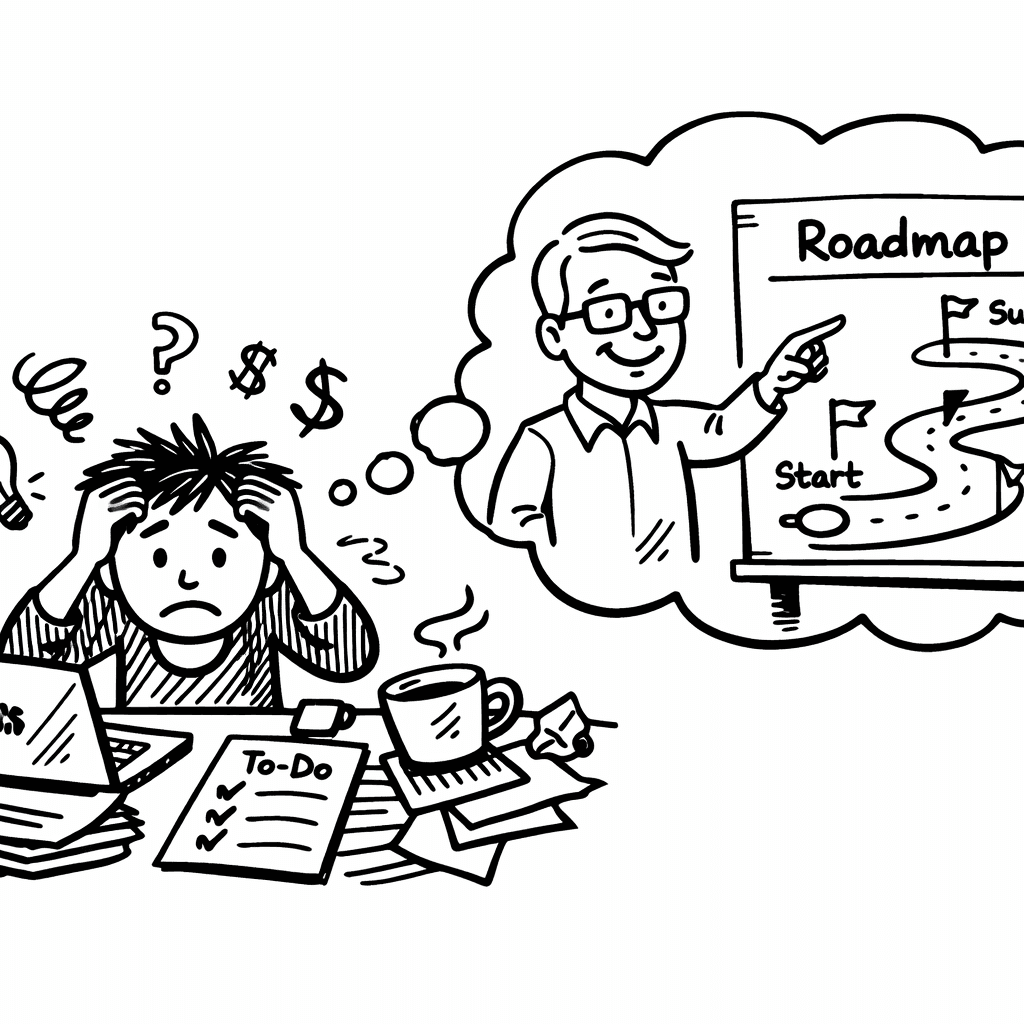
I tried a dozen AI-consulting sites and only one actually read my newsletters and answered my questions. That’s the kind of pain you feel when you’re stuck and can’t find the right advice.
In the next few minutes you’ll see what a business advisor really is, why you might need one, and how to get the most out of the relationship without blowing your budget.
Table of Contents
- What Is a Business Advisor? (And Why You Might Need One)
- Signs You’re Ready for a Business Advisor
- Types of Business Advisors (And Which One You Actually Need)
- How to Choose a Business Advisor (Without Getting Burned)
- How Much Does a Business Advisor Cost? (Real Numbers)
- How to Get the Most Out of Your Advisor Relationship
- FAQ
- Conclusion
What Is a Business Advisor? (And Why You Might Need One)
A business advisor is a seasoned pro who looks at your whole operation and tells you what to fix. They don’t run the day-to-day, but they spot blind spots that keep you from growing.
Think of it like a mechanic for your company. You bring the engine in, they run diagnostics, and they hand you a list of parts that need replacing.
Advisors can come from many backgrounds , finance, marketing, tech, or operations. What matters is that they have walked the path you’re on and can share shortcuts.
Smart founders hire advisors because they want to avoid costly trial-and-error. According to Wikipedia’s definition of business consulting, consultants (and advisors) provide expert advice to improve performance. That’s the core of the role.
Pro Tip: Before you meet an advisor, write down three specific problems you need help with. It forces the conversation to stay focused on real value.
Advisors differ from coaches. Coaches push you to think differently, while advisors hand you concrete steps. If you’re missing a financial model or a go-to-market plan, an advisor can draft it for you.
Key Takeaway: A business advisor gives you expert, actionable guidance that you could otherwise learn the hard way.
Bottom line: A business advisor is the experienced outsider who spots the gaps in your business and offers a clear path forward.
Signs You’re Ready for a Business Advisor
Maybe you’ve hit a revenue plateau. Or you’re hiring faster than you can train. These are red flags that you need help.
When you’re constantly firefighting, that’s a sign. If every new hire feels like a gamble, an advisor can design repeatable processes.
The U.S. Small Business Administration notes that external expertise can help firms break growth ceilings ( SBA.gov). They say advisors bring fresh eyes and proven tools.
Here are three tell-tale signs:
- Revenue flat for 12+ months despite marketing pushes.
- Operational bottlenecks that cost you weeks of work.
- Strategic decisions stuck in endless debate.
When any of these show up, it’s time to talk to someone who’s solved them before.

One practical step: run a quick diagnostic. List every process you touch weekly, then rank them by impact. If the top three are “pain points,” an advisor can help you fix them.
73%of founders say an advisor helped break a growth plateau
And remember, you don’t need a full-time hire. A part-time advisor can bring the same insight for a fraction of the cost.
Key Takeaway: When your business feels stuck, an advisor can give you the roadmap to move forward.
Bottom line: If you see flat revenue, bottlenecks, or decision paralysis, you’re ready for a business advisor.
Types of Business Advisors (And Which One You Actually Need)
Not all advisors are the same. Picking the wrong type can waste time and money.
Broadly, advisors fall into three camps: strategic, financial, and operational. Each plays a distinct role.
| Advisor Type | Focus Area | Typical Clients | Best For |
|---|---|---|---|
| Strategic | Long-term vision, market expansion | Companies planning a new product line | Growth and positioning |
| Financial | Cash flow, pricing, capital structure | Businesses needing budgeting help | Profitability and funding |
| Operational | Processes, scaling, team structure | Firms hitting a hiring surge | Efficiency and repeatability |
Strategic advisors ask big-picture questions: “Where do you want to be in five years?” Financial advisors dig into numbers: “What’s your margin on product X?” Operational advisors map workflows: “How does a new hire get up to speed?”
Here’s a quick way to decide:
- If you need a new market plan, go strategic.
- If you can’t see cash flow, go financial.
- If you’re drowning in manual work, go operational.
Our own platform, AI Business Advisor: A Founder’s No-Fluff Guide 2026, pulls in your newsletters and YouTube feeds, then offers strategic and operational advice in one place. It’s a single source of truth for founders who can’t afford three separate experts.
"The best time to start building backlinks was yesterday."
Key Takeaway: Match the advisor’s specialty to the problem you need solved.
Bottom line: Choose a strategic, financial, or operational advisor based on the specific gap you’re trying to close.
How to Choose a Business Advisor (Without Getting Burned)
Choosing the right advisor feels like a blind date. You want chemistry, but you also need credentials.
Start with experience. Ask for case studies that match your industry. A good advisor will have references you can call.
Next, check communication style. If they speak in jargon, you’ll waste time. You need someone who can explain complex ideas in plain English.
Our own AI-powered board does that automatically. It reads your content and answers in simple language, so you never have to decode corporate speak.
Another red flag: an advisor who pushes a one-size-fits-all solution. Your business is unique, so the advice should be tailored.
Pro Tip: Ask the advisor to walk you through a sample recommendation for a real problem you have. If they can’t, move on.
Finally, look at fees. Some charge retainer, others hourly. Make sure the model aligns with how often you’ll need help.
Read more about building your own AI board in Build Your Own AI Advisory Board in 2026. It shows how automation can replace a costly human consultant for routine questions.
Key Takeaway: Vet advisors for experience, communication, customization, and fee structure before signing.
Bottom line: A systematic vetting process protects you from bad fits and hidden costs.
How Much Does a Business Advisor Cost? (Real Numbers)
Pricing varies. Some advisors charge a flat fee per project, others a monthly retainer.
According to the SEC, registered advisors must disclose retainer fees in Form ADV ( SEC.gov). That rule keeps fees transparent.
Typical ranges look like this:
- Hourly: $150-$350 per hour.
- Project-based: $2,000-$10,000 for a specific deliverable.
- Retainer: $3,000-$6,000 per month for ongoing access.
For early-stage founders, a retainer often makes sense because you get quick answers whenever a new issue pops up.
37%of advisors use a retainer model
Key Takeaway: Expect to pay $150-$350 per hour or $3-$6k per month for a seasoned business advisor.
Bottom line: Know the fee model up front and match it to how often you’ll need advice.
How to Get the Most Out of Your Advisor Relationship
Hiring an advisor is only half the battle. You have to make the partnership work.
Start with clear goals. Write down what success looks like in three months, then share that with your advisor.
Schedule regular check-ins. A 30-minute call every two weeks keeps momentum and prevents drift.
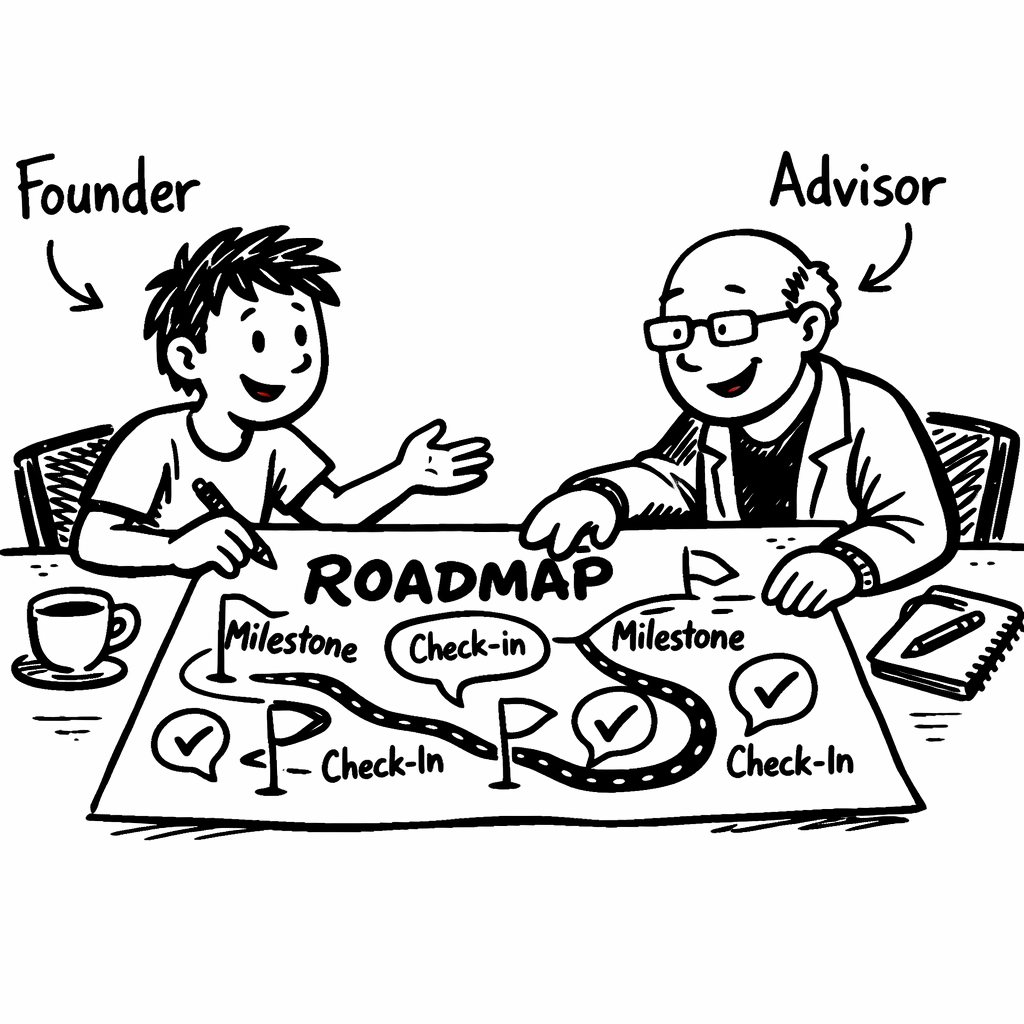
Give the advisor access to the data they need. If you’re asking about pricing, hand over your cost sheets. If it’s about marketing, share campaign dashboards.
Track recommendations and outcomes. Use a simple spreadsheet: recommendation, date, action taken, result.
Pro Tip: Treat each advice session like a sprint review , define the task, get feedback, measure impact.
Our platform, Cheaper Than Business Coach AI, lets you log every question and see the answer history, so you never lose a piece of advice.
Key Takeaway: Structure, data sharing, and tracking turn advisory advice into real results.
Bottom line: Clear goals, regular check-ins, and measurable tracking unlock the full value of a business advisor.
FAQ
What does a business advisor actually do?
A business advisor looks at your whole operation, spots blind spots, and gives you concrete steps to improve revenue, cut costs, or scale teams. They bring outside experience and help you avoid costly mistakes.
How is a business advisor different from a coach?
A coach focuses on mindset and leadership habits, while an advisor delivers specific strategies, financial models, or process designs. If you need a plan, you need an advisor; if you need motivation, you need a coach.
Do I need a formal contract with a business advisor?
Yes. A written agreement clarifies scope, fees, confidentiality, and deliverables. It protects both parties and sets expectations for results and timelines.
How often should I meet with my advisor?
Most founders find a bi-weekly 30-minute call works well. It keeps momentum without overwhelming you. Adjust the cadence as projects evolve.
Can a business advisor help with fundraising?
Definitely. Advisors with finance backgrounds can polish your pitch deck, model cash flow, and introduce you to investors. Their experience can shave weeks off the fundraising cycle.
What if the advisor’s advice doesn’t work?
Good advisors set measurable goals and track results. If an experiment fails, they analyze why and pivot. The key is to treat advice as a hypothesis, not a promise.
Should I hire multiple advisors?
Only if you have distinct gaps. A strategic advisor for growth, a financial advisor for cash flow, and an operational advisor for processes can coexist, but keep each relationship focused and avoid overlap.
Is an AI-based advisor as good as a human?
AI can ingest your newsletters, YouTube feeds, and docs instantly, giving you fast answers. It’s great for data-heavy questions. For nuanced negotiations or culture-fit issues, a human’s intuition still adds value.
Conclusion
Finding the right business advisor can feel risky, but the payoff is real. You get expert eyes on your toughest problems, a clear roadmap, and faster growth without guessing.
Remember to define the problem, vet experience, set clear goals, and track every recommendation. With the right partner , or even an AI-powered board like Adviserry , you’ll turn confusion into confidence.
If you’re ready to stop spinning your wheels, give Adviserry a try. Our free 7-day trial lets you ask five real questions with no sign-up, so you can see the value before you commit.
Take the first step today. The sooner you get expert guidance, the faster your business can move from stuck to soaring.