How to Keep Up With 20 Market Newsletters Without Reading Them All

For about a year I treated my unread newsletter count like a moral failing.
Twenty-something market newsletters, all landing weekly or daily, all sharp, all worth reading, and all stacking up in a folder that glowed with an angry little number I could never get to zero. I'd binge a batch on a Sunday, feel briefly virtuous, then watch the count climb right back up by Wednesday. It felt like homework I assigned myself and then failed. Every single week.
Then one day I asked myself a question that fixed the whole thing: why am I trying to read all of these?
Not in a defeatist way. In a genuine "what is the actual goal here" way. And when I sat with it, the answer was kind of obvious. I don't need to read every newsletter. I need to be able to find the right one the moment it matters. Those are completely different jobs, and I'd been failing at the wrong one.
Let me walk through the reframe, because it took a shamefully long time to arrive at and it's simple once it lands.
The goal was never "read everything"
Here's the trap. You subscribe to twenty smart people because each one occasionally says something you'd hate to miss. Reasonable. But then your brain quietly converts that into "I must read all twenty, fully, on time, forever," which is insane, and also impossible, and the impossibility is what generates the guilt.
Flip it around. The value of any given issue isn't in you reading it the day it arrives. Most of what's in there, honestly, is context you'll never act on. The value shows up later, on the specific day a theme or a ticker you care about lights up and one of those twenty people happens to have written something genuinely useful about it. On that day, being able to pull their take in ten seconds is worth more than having dutifully skimmed all twenty issues the week they landed and retained none of it.
So the real target isn't consumption. It's retrievability. If everything those twenty people publish is captured and searchable, then you haven't "missed" anything by not reading it in real time. It's all sitting there, waiting for the moment you actually need it. The unread count stops being debt and starts being an archive.
Step one: make everything retrievable, automatically
This is the foundation, and it has to be automatic, because any version that depends on you filing things by hand is a version you'll abandon by week two. (I've abandoned it by week two more times than I'll admit.)
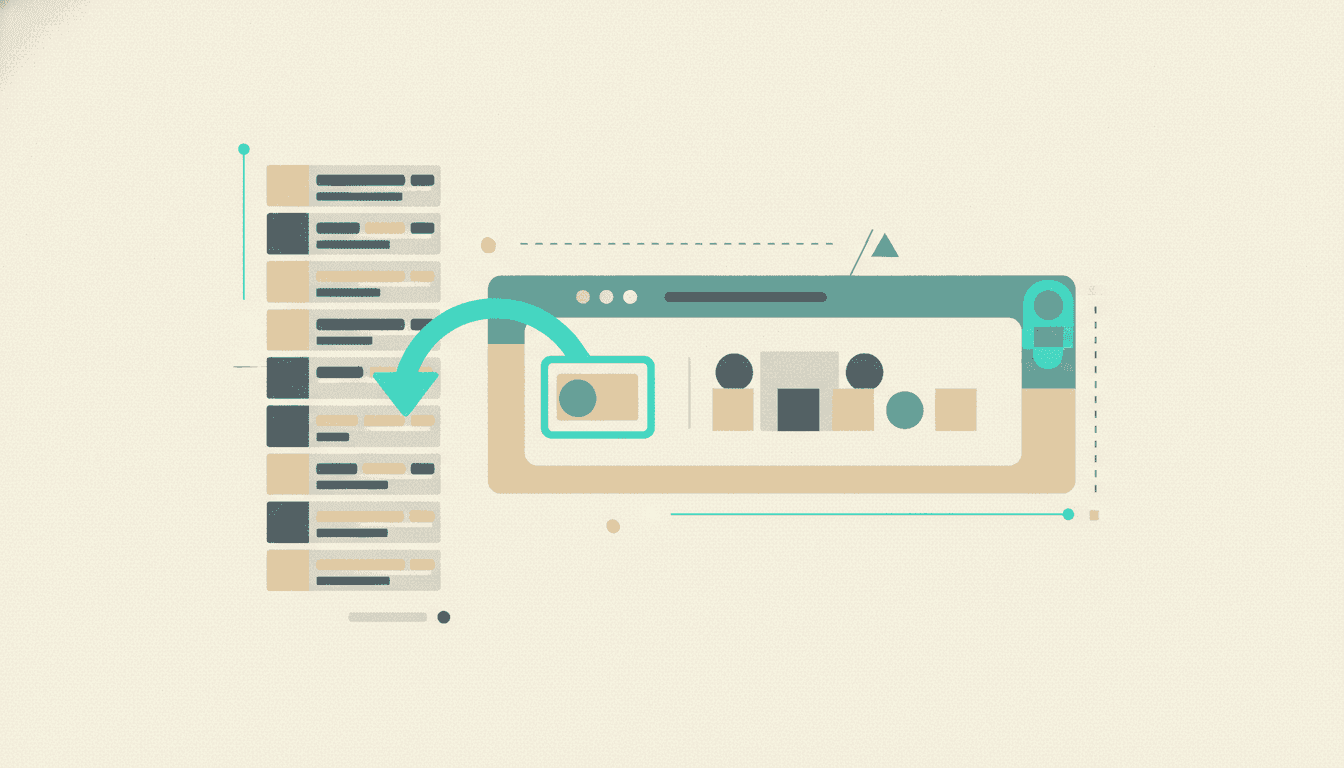
What you want is for all twenty newsletters to flow into one place on their own, and for that place to be searchable by idea rather than by exact words. Not twenty folders you have to remember to check. One archive you can ask questions of. "What have the people I follow said about small caps lately" and back come the relevant passages, quoted, with the writer's name and the date attached.
The mechanics of getting there are their own topic, and I've written the step-by-step in how to organize the newsletters you already pay for. The one-line version: get them out of your main inbox, stop sorting by sender, and put them somewhere you can search by meaning instead of by keyword. Once that's done, the "keeping up" problem basically dissolves, because keeping up was always code for "not losing access," and now you can't lose access.
Worth being clear about why searching by meaning matters here specifically. You're going to look for this stuff by the gist, not the words, because weeks later the gist is all you'll have. Keyword search chokes on that, for reasons I get into separately, so an archive that only does exact-match is barely better than the inbox you started with. Meaning search is what turns twenty passive subscriptions into one thing you can actually interrogate.
Step two: a light cadence, not a reading marathon
Retrievability handles "I can find anything." Cadence handles "I stay loosely current." And the key word is loosely.
Once you're no longer trying to read everything, you can afford a genuinely small habit. Mine is two things. A three-minute morning skim of what dropped yesterday, just the headlines and the first line of each, purely to notice if anything big is brewing. And a slightly longer Sunday pass where I read, actually read, the two or three issues that grabbed me during the week and ignore the rest with zero guilt.
That's it. No zero-inbox. No completionism. The morning skim keeps me oriented; the archive handles everything I skimmed past. The whole point is that skimming past something is now safe, because "past" doesn't mean "gone," it means "in the archive, findable the second I want it." Cadence keeps you current on the surface. The archive keeps you covered underneath.
The mistake I made for a year was trying to make cadence do the archive's job. Reading harder, faster, more, to compensate for having no retrieval system. It doesn't work. You can't out-read a firehose. You can only capture it and dip in on demand.
What twenty newsletters feels like when you stop fighting them
Here's the part that genuinely surprised me. Once I stopped trying to read everything, I started getting more value from the twenty, not less. Because I stopped resenting them. The glowing unread number quit being a scold. New subscriptions stopped feeling like new obligations and started feeling like adding another sharp voice to a pile I could query later. I could follow more people, not fewer, because following stopped meaning reading.
This is the whole reason I built Adviserry. It connects to the Gmail newsletters and YouTube channels you already follow, quietly pulls every issue and video into one searchable archive, and lets you ask what any of them said about any topic, in plain language, with the answers attributed to whoever wrote them. I made it because twenty newsletters and a guilt complex was not a sustainable way to live, and no amount of reading discipline was going to fix a problem that was actually about retrieval.
I still subscribe to too many. If anything I subscribe to more now, which my past self would find horrifying. But the difference is they've all stopped being homework. They just pile into one place, and when a topic I care about shows up, I ask, and there it is. Three people, their words, the dates. No marathon. No guilt. No angry little number.
If you want to see how much you're spending across all those subscriptions versus how much you actually pull value from, the free trading-newsletter audit takes about thirty seconds and tends to be a useful splash of cold water.
Adviserry is an educational and research aggregation tool, not a registered investment adviser. Nothing here is financial advice or a recommendation to buy, sell, or hold any security. Summaries reflect what creators you follow have published. Past performance and creator commentary do not predict future results.