How to Audit What You Spend on Trading Newsletters vs What You Actually Use
Do me a favor and add up what you spend on trading newsletters every month. All of them. The $30 Substacks, the $200 premium services, the annual one you forgot renews, the one you signed up for during that hyped launch and never opened.
Got a number? Now multiply by twelve.
That number is usually a lot bigger than people expect, and the reaction when they see it is always the same little flinch. I've done it to myself. The flinch is the honest part. It's your gut telling you the spend and the value have drifted apart.
Nobody adds this up on purpose, which is exactly why it gets out of hand. Each subscription felt reasonable in isolation. A few bucks here, a launch discount there, one "worth it for the community." No single decision was crazy. But they stack, silently, on autopay, and there's never a moment where you see the whole pile at once. So you don't. Until you make yourself.
Quick answer: how do you audit your trading newsletter spend?
List every trading newsletter and paid service you're subscribed to, write down the real annual cost of each (monthly times twelve, plus the annual ones), and total it. Then, honestly, mark which ones you actually read in the last month. The gap between what you pay for and what you use is your answer. Most people find they're paying full freight for a stack they engage with maybe a third of.
Step one: the real number, not the vibe
The vibe number is always too low. People say "eh, maybe fifty bucks a month?" and then actually count and it's a hundred and forty. Autopay is designed to make the total invisible. Do it properly.
Pull your card statements or your email receipts. List every trading-related subscription. Put the real monthly cost next to each. Don't forget the annual ones, which hide the best because they only sting once a year and you've mentally filed them under "already paid." Multiply the monthlies by twelve, add the annuals, get one number for the year.
That's your spend. Sit with it for a second. We're about to put it next to something uncomfortable.
Step two: what you actually use
Now the honest column. For each subscription, when did you last genuinely read or watch it? Not "meant to." Actually did.
Be brutal here, because the whole exercise is worthless if you're generous with yourself. "I skim it sometimes" is a no. "It's in a folder I'll get to" is a no. The bar is: did this thing inform your thinking in the last month? Yes or no.
You'll end up with three rough buckets. The ones you truly use and would miss. The ones you thought you'd use but don't. And the zombie subscriptions you forgot you had, quietly charging you for a service you last opened in spring. That third bucket is where the flinch comes from.
Step three: the gap is the point
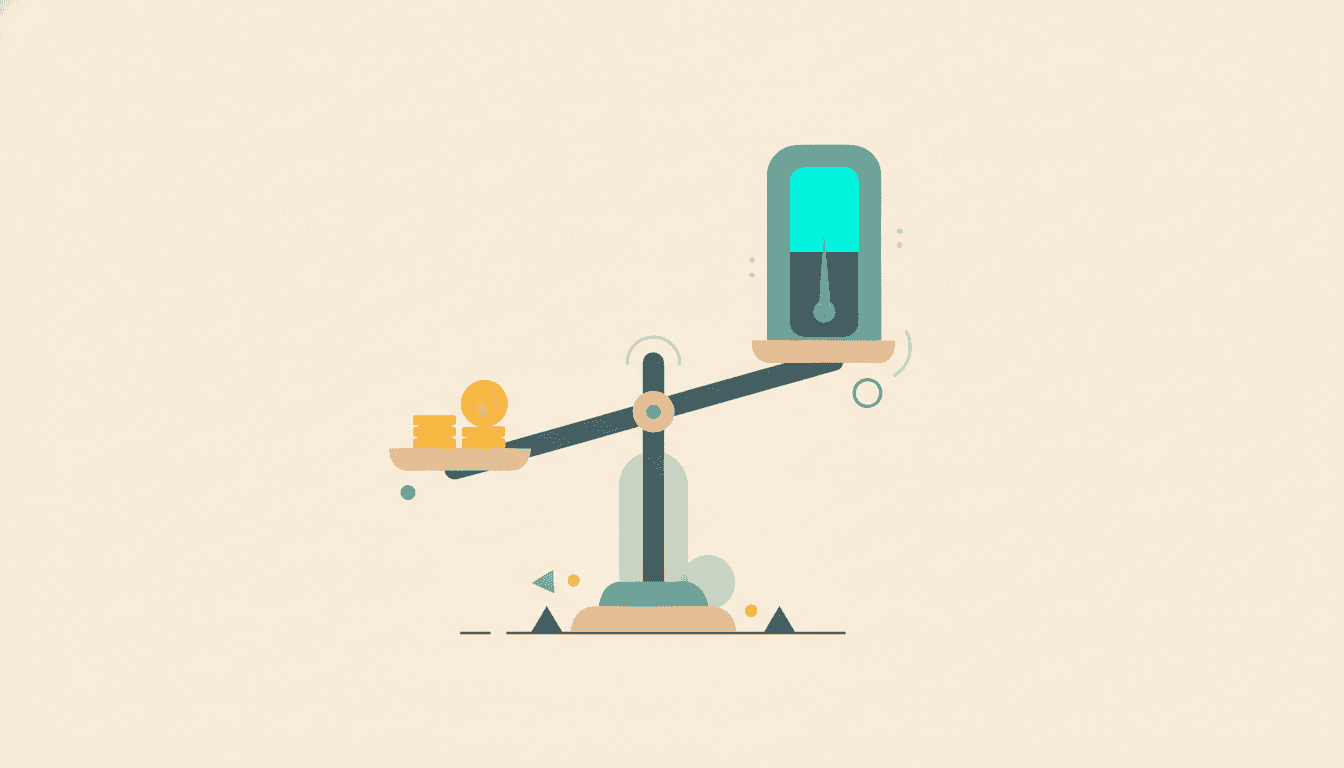
Put the two columns side by side. Total spend versus what you actually use. The gap is the finding.
For most people it's ugly, and it's ugly in a specific way. It's rarely that any one subscription is a rip-off. It's that the stack is inefficient. You're paying for breadth (following lots of smart people) but only capturing value from the handful you happen to read consistently. The other subscriptions aren't bad. You're just not extracting anything from them, so functionally they're donations.
And here's the trap most people fall into next: they see the gap and either do nothing (autopay wins again) or they cancel a bunch in a guilt spasm and lose access to good people they'd have valued if they could just, you know, remember what those people said.
The real problem underneath the spend
Sit with the gap long enough and you notice something. The waste usually isn't a spending problem. It's a retrieval problem wearing a spending costume.
You're not getting value from two-thirds of your stack not because those creators are bad, but because you can't keep up with all of them, can't remember what they said, and can't find it later. If you could actually access everything you subscribe to, on demand, by topic, the "unused" subscriptions would suddenly pull their weight. The value was always in there. You just had no way to get it out.
That reframe is why I built Adviserry, and it's why the free trading-newsletter audit exists as its own little tool. The audit takes about thirty seconds. You tell it roughly what you subscribe to and how much you read, and it gives you the spend-versus-usage gap in plain numbers. No login required. Sometimes seeing the gap is the entire wake-up call.
Then Adviserry itself is the fix for the retrieval side. It reads everything from the creators you follow, newsletters and YouTube, and makes it one searchable archive you can actually query. The point isn't to help you cancel subscriptions. It's to make the ones you keep finally worth what you pay, because you can pull from all of them instead of just the two you manage to read.
What to actually do with your audit
Once you've got your gap, you've got real options, and they're better than "cancel everything in a panic."
Cut the true zombies. The stuff you forgot you had and don't miss, gone, no ceremony. That's found money.
For the rest, the ones that are good but you don't read, the question isn't "cancel or keep." It's "can I make this usable." If yes, keep it and make it searchable so it earns its cost. If no, and you genuinely never will, then sure, cut it. But most of that middle bucket is salvageable, and salvaging beats re-shopping for creators you already found.
I ran my own audit and the gap was embarrassing. I didn't cancel much. I just fixed the retrieval so the stack I was already paying for started actually working. That's the version of this that leaves you better off, instead of just poorer in subscriptions and no smarter.
Run the audit. It's thirty seconds and it might change how you think about the whole stack. The flinch is free.
Adviserry is an educational and research aggregation tool, not a registered investment adviser. Nothing here is financial advice or a recommendation to buy, sell, or hold any security. Summaries reflect what creators you follow have published. Past performance and creator commentary do not predict future results.