Are Premium Trading Newsletters Worth the Money? An Honest Look

Somebody asked me this at a dinner a while back. "Are those paid trading newsletters actually worth it, or is it all a scam?" And I gave the most annoying answer possible, which was: "worth it compared to what?"
I promise I'm not dodging. It's just that the question people ask ("is this newsletter good?") is almost never the question that decides whether they got their money's worth. The newsletter can be genuinely excellent and still be a total waste for you specifically. And a cheap one can be the best money you spend all year. The quality of the writing is maybe a third of the equation. The rest is you.
So let me actually try to answer it honestly, including the parts that don't flatter the buyer.
The math nobody runs
Here's a number I'd bet you've never calculated: your cost per issue you actually used.
Not per issue received. Per issue you read, remembered, and did something with, even if "something" was just "understood the market a little better that week." Take what you pay a year, divide it by that much smaller number, and the result is often deranged.
Say a newsletter runs you $40 a month. That's $480 a year. If you genuinely engage with, let's be generous, one issue a week, forty-something a year, that's maybe eleven bucks a useful issue. Fine, honestly. That's a decent lunch for a piece of research you actually used.
But most people aren't at one a week. Most people are at "I meant to read it" for long stretches. If the real number is one useful issue a month, that same subscription is costing you $40 per issue you touched. The newsletter didn't get more expensive. Your usage did. And you'd never know, because the charge looks identical either way.
Good newsletter, wrong situation
There are a few ways a genuinely good newsletter still isn't worth it for you, and none of them are the writer's fault.
You subscribed for one hot streak. Someone was on fire for a couple months, you signed up mid-hype, and now you're paying rent on a feeling you had in the spring. Happens constantly.
You're paying for overlap. If you follow eight people in the same corner of the market, a lot of what you're buying is the same take, restated. That's not eight subscriptions of value. It's more like two, with six echoes.
You can't find it later. This is the quiet killer. You read the good stuff, it was legitimately useful in the moment, and then it vanished into your inbox and you never retrieved it once. A subscription you can't search is a subscription you rent and then set on fire.
None of those mean the newsletter is bad. They mean the fit, or the system around it, is off.
When they're absolutely worth it
I don't want to sound like the whole category is a trap, because it isn't. Paid market writing can be worth every dollar, and here's the shape of when it is.
You'd have to do the work yourself otherwise. The best newsletters are compression. Someone spends thirty hours a week reading filings and sitting through calls so you can get the shape of it in ten minutes. If that thirty hours has any value to you, and your time does have value, the trade is obvious. You're not buying tips. You're buying someone else's reading time.
You use it as thinking material, not marching orders. The people who get the most out of paid research treat it as one input among several, a smart voice to reason against, not a command to follow. They read three people who disagree and form their own view in the middle. That's the whole point of following a range of them, and it's a healthier use than looking for someone to just tell you what to do.
And you can actually retrieve what you paid for. This is the one most people miss. A newsletter you can search by idea, months later, quietly doubles in value, because now the archive keeps paying out long after you read the issue. The words don't expire the day they arrive.
The honest gut check
So, are they worth it? Run this on each one and you'll know.
Ask yourself: in the last month, did I actually read this, and did reading it change how I thought about anything? If yes, keep it, it's earning its keep. If you can't remember opening it, that's your answer, and no amount of "but the writer is really smart" changes it. Smart you don't read is a donation.
I went through my own stack doing exactly this and cut a few I felt weirdly loyal to but hadn't opened since who-knows-when. Didn't miss them. The ones I kept, I kept because I could point to a specific week they'd earned their spot.
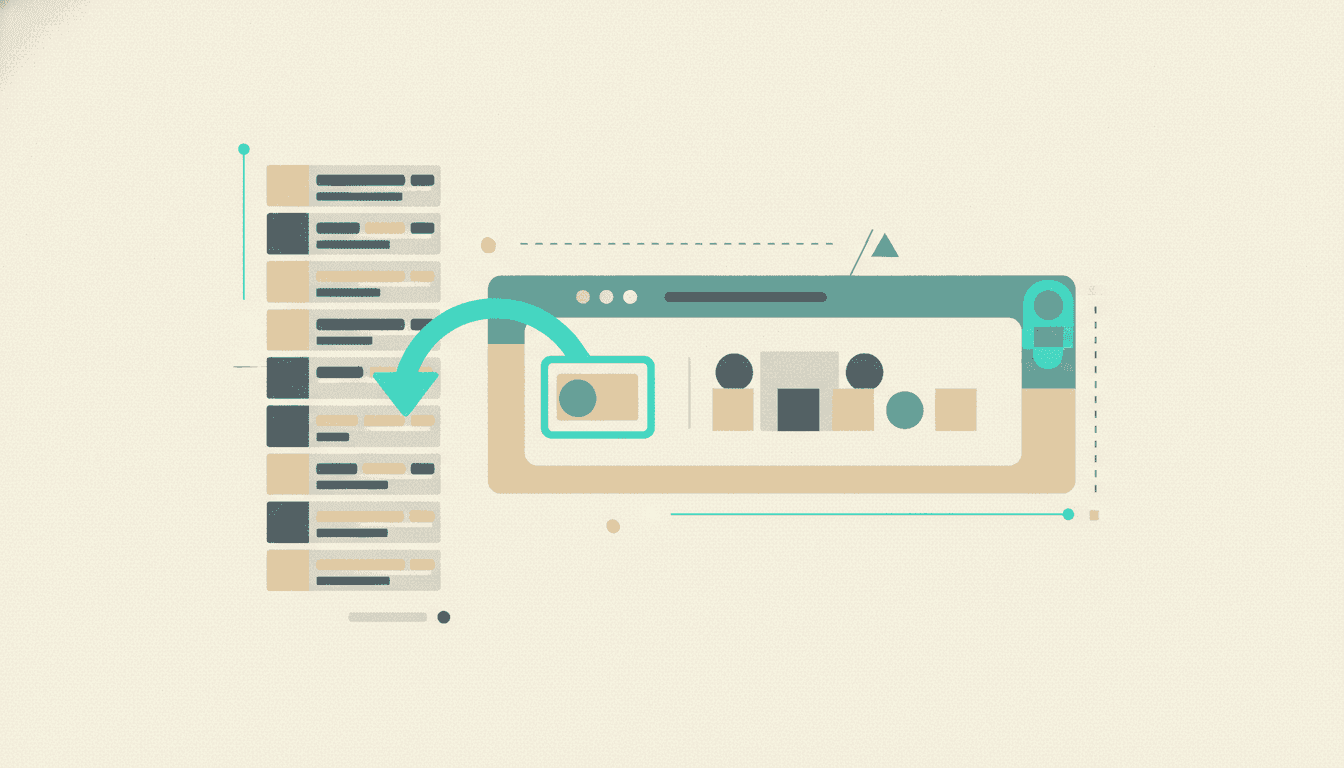
If you'd rather not eyeball it, the free trading-newsletter audit does the annoying math for you in about thirty seconds. It'll show you roughly what you're spending against how much of it you're actually using, which is usually the number that ends the debate. And if the problem turns out to be "I can't find anything I paid for," that's a fixable tooling issue, not a reason to cancel. Adviserry exists specifically to turn the newsletters and YouTube channels you already follow into one searchable archive, so the good stuff stops evaporating the day it lands. I built it because "worth it" should mean "I can actually use this," and for me it never did until I could find things again.
The real answer to "are they worth it" is almost always "the good ones are, if you have a system, and you're honest about which ones you actually read." Both halves matter. The system, and the honesty.
For the deeper cut on which ones to keep versus drop, here's how I decide which subscriptions to cancel.
Adviserry is an educational and research aggregation tool, not a registered investment adviser. Nothing here is financial advice or a recommendation to buy, sell, or hold any security. Summaries reflect what creators you follow have published. Past performance and creator commentary do not predict future results.