How to Cross-Reference Advice From Multiple Experts Using Adviserry Chat

How to Cross-Reference Advice From Multiple Experts Using Adviserry Chat
Here's a thing that happens all the time in business content: two experts you respect give completely opposite advice about the same topic.
Hormozi says charge premium prices and make the value so obvious that price isn't a factor. Patrick Campbell's data shows that pricing sensitivity varies wildly by market and sometimes lower prices with higher volume wins. Both are right. Both are smart. Both have evidence.
When you read their content separately (which is how most people consume it), you either follow whichever one you read most recently, or you pick the one that confirms what you already wanted to do. Neither is a great decision process.
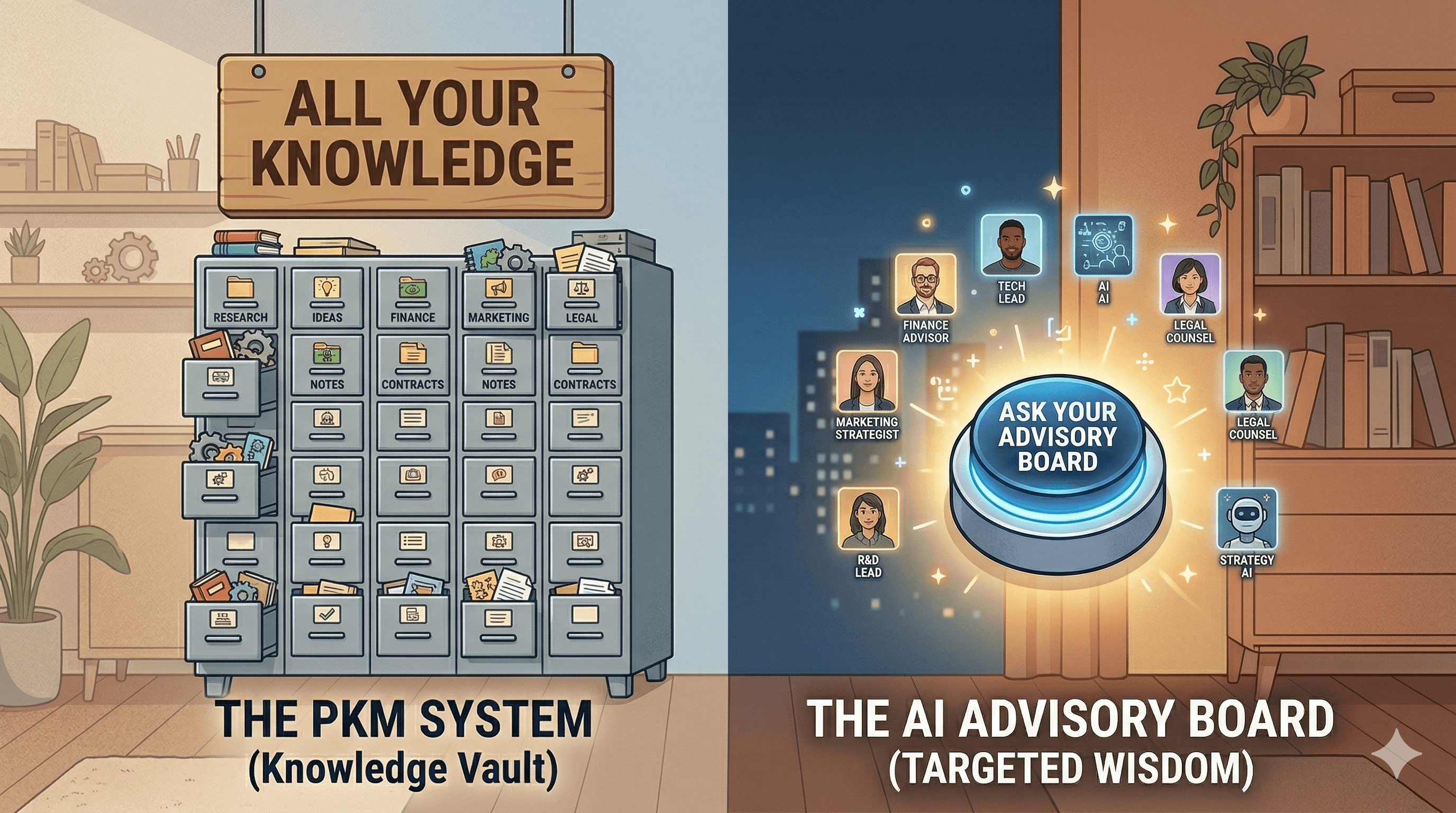
What you actually want is to see both perspectives side by side, understand the context behind each position, and make an informed choice about which applies to your specific situation. That's what cross-referencing does. And it's the single most valuable thing about having multiple experts on one Adviserry panel.
How I set up boards for cross-referencing:
The key is putting experts with overlapping but different perspectives on the same board. My "Growth & Pricing" board has Hormozi (aggressive growth, premium pricing), Patrick Campbell (data-driven pricing), Lenny Rachitsky (product-led growth), and Demand Curve (tactical marketing). They all talk about growth and pricing, but from different angles with different philosophies.
If all your sources agree on everything, you don't need to cross-reference. The value comes from the tension.
The cross-referencing questions that work best:
Comparison questions: "What do Hormozi and Patrick Campbell say about pricing strategy? Where do they agree and disagree?"
Synthesis questions: "Based on all my sources, what's the consensus on the best onboarding approach for SaaS products? Where is there disagreement?"
Application questions: "I'm deciding between a freemium model and a paid trial. What would each of my sources recommend, and why?"
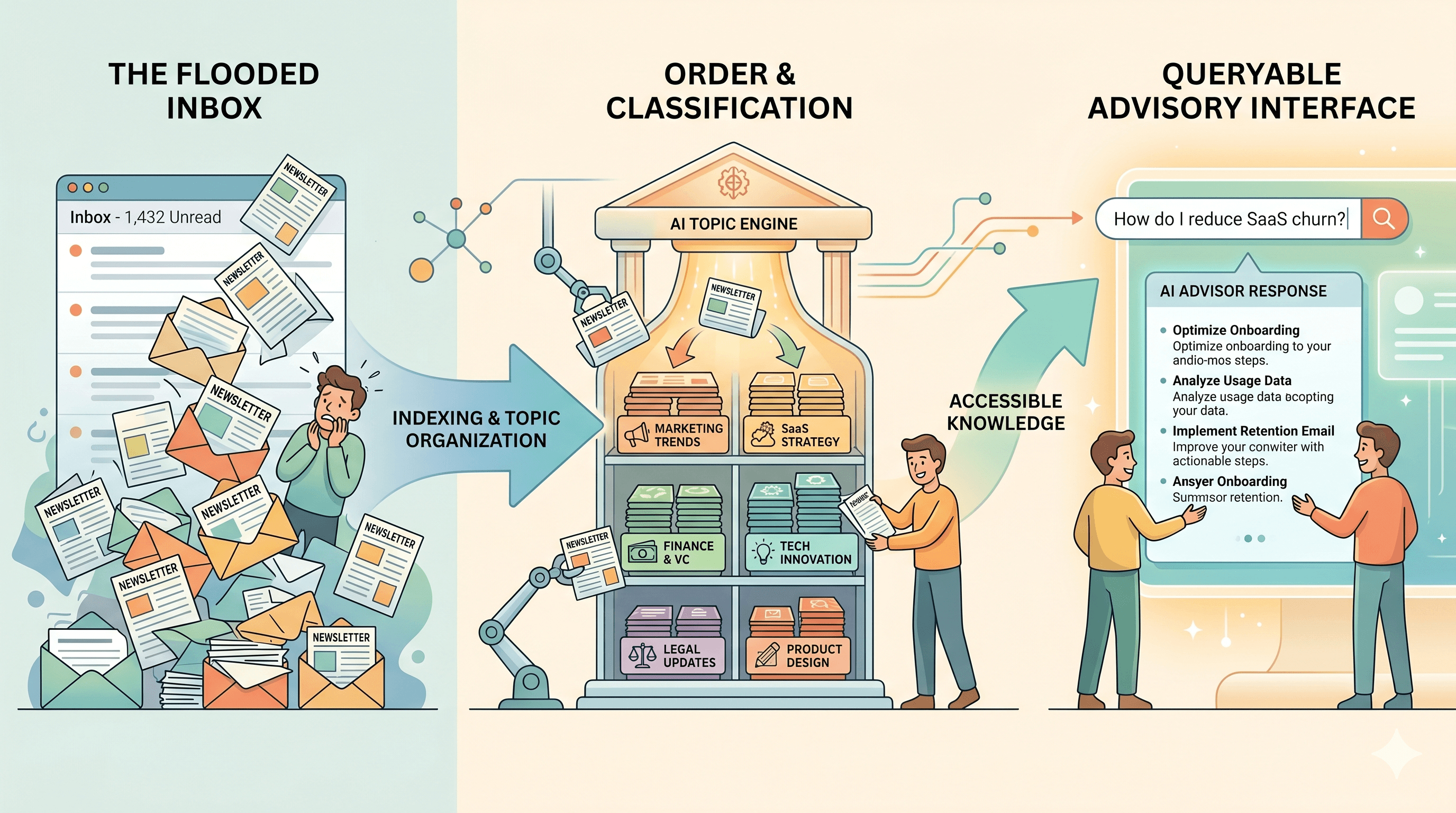
The AI searches across all your sources, identifies the relevant content from each expert, and presents a synthesized answer that highlights both agreements and tensions.
A real example from last month:
I asked my board: "What do my sources recommend for launching a new feature? Should I do a big launch or a quiet rollout?"
The answer pulled from four sources and showed a clear split:
Hormozi's content favored big, attention-grabbing launches with scarcity and urgency. His framework is built around making noise and creating demand.
Lenny's newsletter content leaned toward quiet rollouts with gradual expansion, citing examples from companies like Spotify and Notion that ship features to small groups first.
Demand Curve's advice fell in between: launch loudly to your existing audience, but use controlled rollouts for the feature itself.
Having all three perspectives in one answer, with citations I could click to read the full context, helped me make a better decision than any single source would have. I ended up doing a hybrid: quiet rollout to beta users first, then a bigger announcement once I had feedback and testimonials. A decision that synthesized the best parts of each approach.
Tips for getting the most from cross-referencing:
Name specific sources in your questions. "What does Hormozi say about X versus what Lenny says about X" gives you a direct comparison. Without names, the AI blends everything together, which is sometimes useful but less interesting.
Ask about the "why" behind disagreements. "Why do these two sources disagree about pricing?" often reveals that they're talking about different contexts (B2B vs B2C, early-stage vs scale, etc.), which helps you figure out which applies to you.
Follow up with application questions. After getting the comparison, ask "Given that I'm a bootstrapped B2B SaaS founder, which approach makes more sense for my situation and why?" The AI uses your context to weigh the different perspectives.
Build boards with intentional diversity of opinion. A board full of people who all think the same way is just an echo chamber. A board with genuine philosophical differences (growth-at-all-costs vs sustainable growth, product-led vs sales-led) gives you richer, more useful answers.
The goal isn't to find the "right" answer. It's to understand the landscape of expert opinion and make a more informed choice. Which is, honestly, what a real advisory board does too. They don't vote on your decisions. They give you different perspectives and trust you to synthesize.
Your AI advisory board works the same way. Just faster, and available at 2am.