How to Actually Keep Up With Fintwit Without Living on the Timeline
I lost a genuinely good chunk of one summer to the timeline. Not trading. Not researching. Just scrolling fintwit with the specific anxious feeling that if I looked away for an hour I'd miss the one post that mattered. I refreshed at breakfast. I refreshed in line. I refreshed, and I am not proud of this, at a red light.
And at the end of all that scrolling, if you'd asked me what I'd actually learned that week, I'd have struggled to name three things. I'd consumed an ocean of it and retained a puddle.
Here's what took me too long to accept. The timeline is not designed to keep you informed. It's designed to keep you there. Those are different goals, and they're often in direct conflict. The feed wants your attention right now, continuously, forever. What you actually want is to absorb the good thinking and get on with your life. You will never win that fight by scrolling harder. You win it by changing the workflow.
So this is the workflow. It's not about following fewer people and it's definitely not about me telling you who to follow, which I'm not going to do. It's about capturing and searching what you already follow so you can step off the timeline without the fear of missing something.
Why the timeline itself is the problem
Quick honesty about the mechanics, because it helps to see the machine.
The timeline is real-time, infinite, and sorted for engagement, not importance. That combination is basically engineered to make "keeping up" feel impossible, because there is no bottom. You can't finish it. There's no state where you've read everything and you're caught up, which means the anxious part of your brain never gets to stand down. It just keeps you reaching.
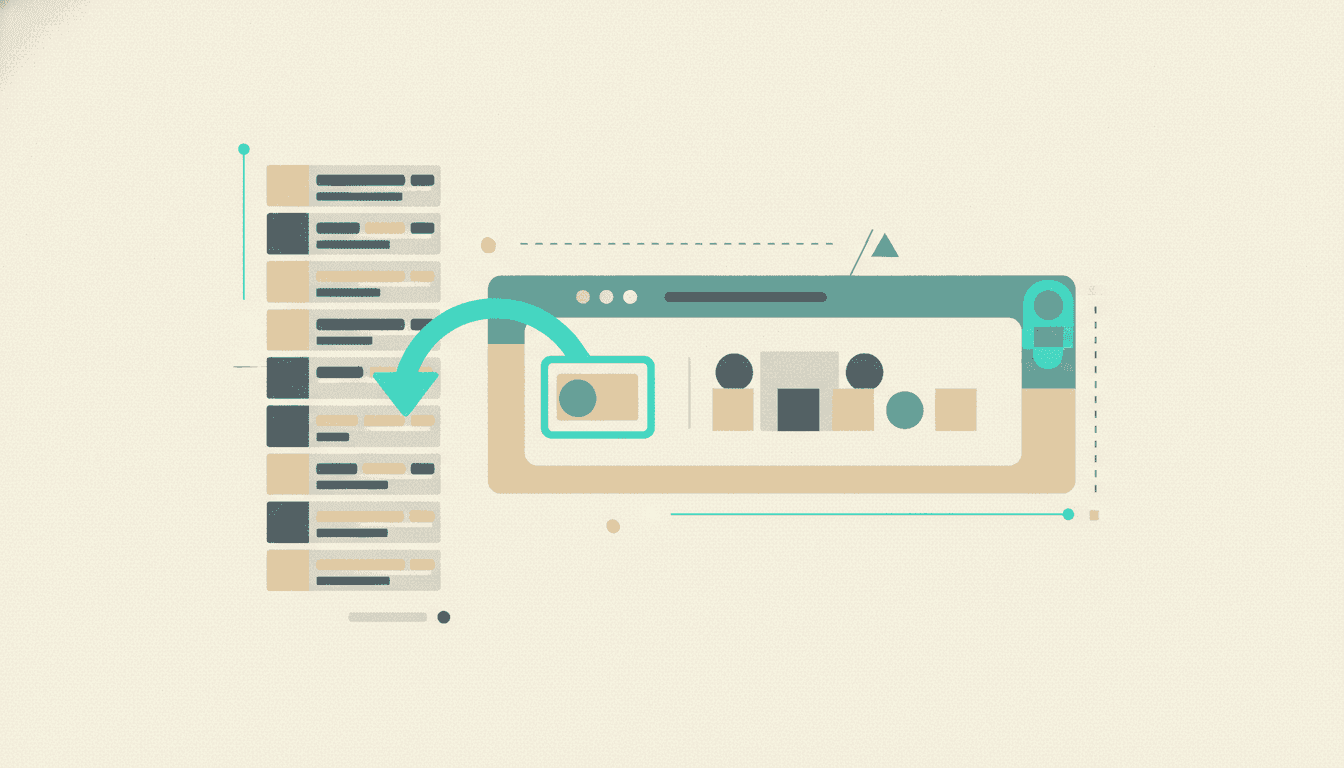
It's also terrible at memory. The single most useful post you saw this month is, functionally, gone. You can't find it. Search is clumsy, your likes are a landfill, and the thing you half-remember someone saying about a setup you now care about is buried under three weeks of newer noise. So the timeline is simultaneously the thing demanding all your attention and the thing least able to give you back what you paid attention to. Cruel design, honestly.
Once you see it that way, the fix stops being "have more willpower" and becomes "stop treating a slot machine as a filing system."
The workflow: capture, then search, instead of scroll
The whole move is to separate two things the timeline deliberately fuses together: the consuming and the finding. On the timeline they happen in the same anxious motion. In a better workflow they're totally separate, and both get calmer.
Here's the shape of it.
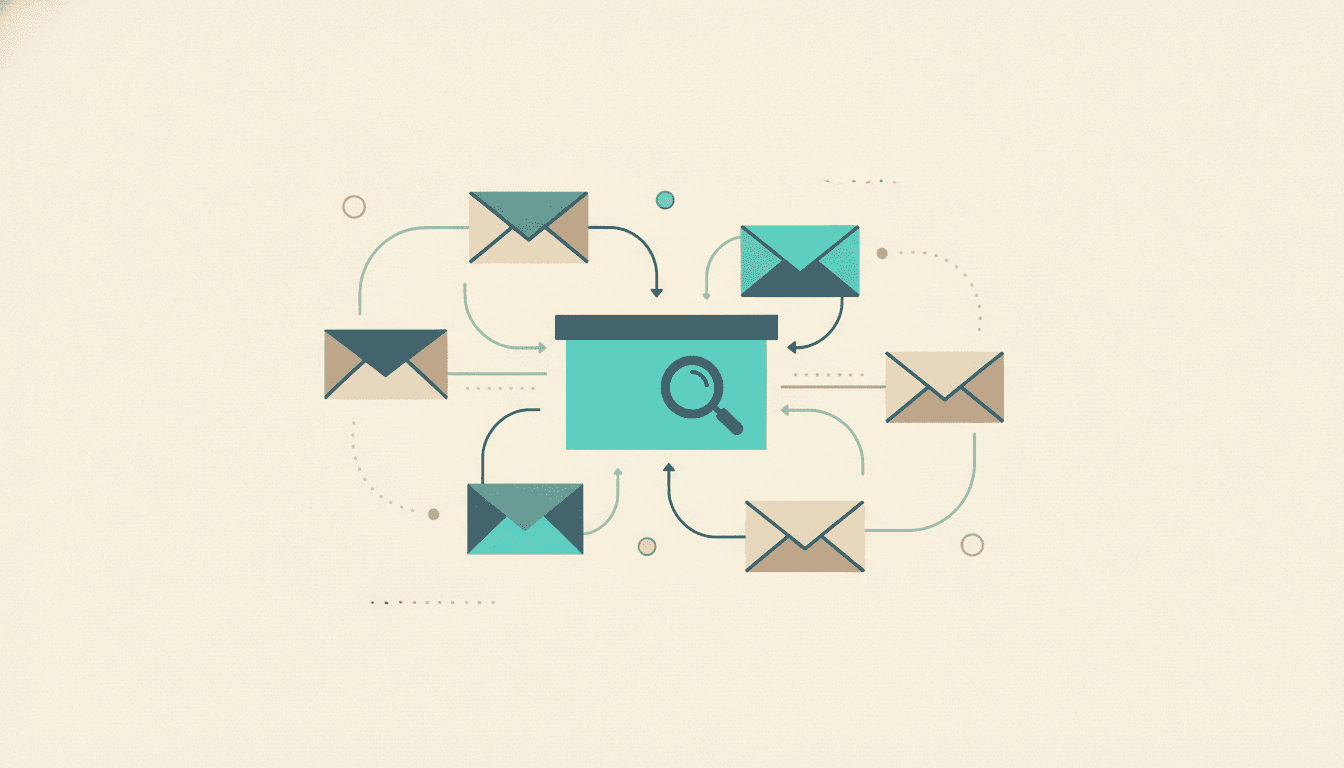
Capture what you already follow, automatically. A lot of the best fintwit thinking doesn't only live on the timeline. The people worth following almost always publish somewhere more permanent too. A newsletter, a Substack, a YouTube channel where they talk through the same ideas at length. That longer-form stuff is where the actual reasoning lives, and it lands in places you can catch: your inbox, your subscriptions. So catch it there instead of trying to net it as it flies past in the feed.
Get it out of the noise. Route those newsletters out of your main inbox into their own lane so they're not drowning next to receipts. Bring the YouTube channels into the same pile. Now the good stuff is corralled in one place instead of scattered across a feed you can't rewind.
Make it searchable by idea. This is the part that kills the fear of missing out. When everything you follow lives in one archive you can query by meaning, you can ask "what have the people I follow been saying about small caps lately" and get the real passages back, attributed to whoever wrote them, whenever you want. You don't have to catch it live anymore, because it's not going anywhere. The missing-out fear is really a fear that the good stuff is unrecoverable. Make it recoverable and the fear just deflates.
Then set a rhythm and close the app. Once capture and search are handled, you get to decide when to engage instead of the feed deciding for you. A Sunday skim. A three-minute morning look at what dropped. Whatever fits your life. You're pulling what you need on your schedule instead of standing under the firehose hoping to catch the important drops.
What you deliberately give up, and why it's fine
This workflow trades one thing away on purpose: being first. You will occasionally see something a few hours after the timeline crowd did.
I'd argue that's a feature. Almost nothing you actually benefit from as a longer-horizon reader requires you to have seen it in the first ninety seconds. The value of good market thinking is in understanding it and being able to reason with it later, not in being the earliest person in the replies. The timeline sells you the fantasy that speed is what wins, because speed is what keeps you scrolling. For most of what matters, retrievability beats speed by a mile.
And the trade you get in return is enormous. You get your attention back. You get to look away from the feed without the low hum of dread, because the good stuff is being caught and filed whether you're watching or not.
Where this lands
This is roughly the workflow I built Adviserry around, because I needed it for myself. It connects to your Gmail, auto-detects the newsletters, pulls in your YouTube channels, and turns the longer-form fintwit content you already follow into one searchable archive you can ask questions of, with citations. It doesn't touch the timeline and it doesn't tell you who to follow. It just makes sure that once you've decided to follow someone, what they publish stops evaporating.
If you want the broader version of this, the same capture-and-search logic applies to your whole reading pile, and I laid it out in how to organize the trading newsletters you already pay for.
I still open the timeline. I like it, honestly, when it's a choice and not a compulsion. The difference now is that closing it doesn't cost me anything, because I know whatever mattered got caught. That's the whole trick. Not more discipline on the timeline. A workflow that makes stepping away safe.
Adviserry is an educational and research aggregation tool, not a registered investment adviser. Nothing here is financial advice or a recommendation to buy, sell, or hold any security. Summaries reflect what creators you follow have published. Past performance and creator commentary do not predict future results.