Free vs Paid Trading Content: Getting Value From What You Already Follow
I used to keep a mental ledger. Free stuff in one column, paid stuff in the other, and a quiet running argument with myself about whether the paid column was pulling its weight. Every renewal I'd relitigate the whole thing. Is this forty-dollar letter really better than the free one covering the same corner of the market? Am I paying for quality or paying for the feeling of paying?
I ran that debate for a long time. And I want to save you the trouble, because I eventually figured out I was arguing about the wrong axis entirely.
Free versus paid is not the line that decides whether market content is worth anything to you. Retrievable versus lost is. A brilliant paid newsletter you can't find six weeks later is worth roughly nothing to you in the moment you need it. A free thread you captured and can search is worth real money when it saves you an hour of research. The price tag tells you almost nothing about the value you'll actually extract.
Let me unpack that, because it took me embarrassingly long to see it.
Why the free vs paid debate feels important but isn't
The debate feels important because price is the most visible thing about any piece of content. It's the number. It's right there. So naturally we anchor on it and build the whole worth question around it.
But price mostly measures the wrong variable. Paid usually buys you a few real things. Someone's time, mainly. The best paid writers spend thirty hours a week reading filings and sitting through calls so you get the shape of it in ten minutes, and if your time has any value, that trade can be obvious. Paid can also buy less noise, more depth, sometimes a smaller and calmer community.
Free buys you a wider net and a faster pulse. More voices, more angles, the raw stuff before it gets packaged. Plenty of the sharpest market thinking on earth is free, posted by people who write because they think out loud in public.
Both are legitimately valuable. Neither is automatically better. And here's the punchline: the value from both leaks out the exact same hole. You read it, it was useful in the moment, and then it evaporated because you had nowhere to put it. Free or paid, if you can't get it back, you didn't really keep it. You rented a feeling.
The axis that actually matters
So flip the question. Stop asking "is this worth paying for" and start asking "can I get this back when I need it."
Think about how you actually use market commentary. You almost never need it the day it lands. The payoff comes later, when a setup you care about shows up and you think "wait, didn't a few people I follow write about exactly this." If you can pull those passages up in ten seconds, the source paid for itself, whether it cost forty dollars or zero. If you can't, it didn't, whether it cost forty dollars or zero.
That's the whole game. Retrieval, not price. A cheap-or-free source that lives in a searchable archive quietly beats an expensive one that vanished into your inbox, every single time you actually go looking for something.
Which means the money question and the value question are different questions, and we've been conflating them for years. If you want the money question answered honestly, are trading newsletters worth it walks through the cost-per-issue-you-actually-used math, and the free trading-newsletter audit will run those numbers on your own stack in about thirty seconds. But even after you've answered the money question, the value question is still sitting there, and it's answered by whether you can find things.
Free content has a retrieval problem too
Here's a trap I fell into. I assumed the retrieval problem was a paid-newsletter problem, because those are the ones I felt guilty about. But free content is often worse, not better.
A paid newsletter at least lands in your inbox with a consistent sender and a subject line. That's crude, but it's something. Free content is scattered across a dozen surfaces. A thread here, a video there, a post you saw once and can't refind, a comment that was better than the article it was under. The free stuff is genuinely valuable and almost impossible to keep, because it never lands in one place to begin with.
So if anything, the more free content you rely on, the more you need a system to catch it. Otherwise "free" just means "gone faster."
Getting value from what you already follow
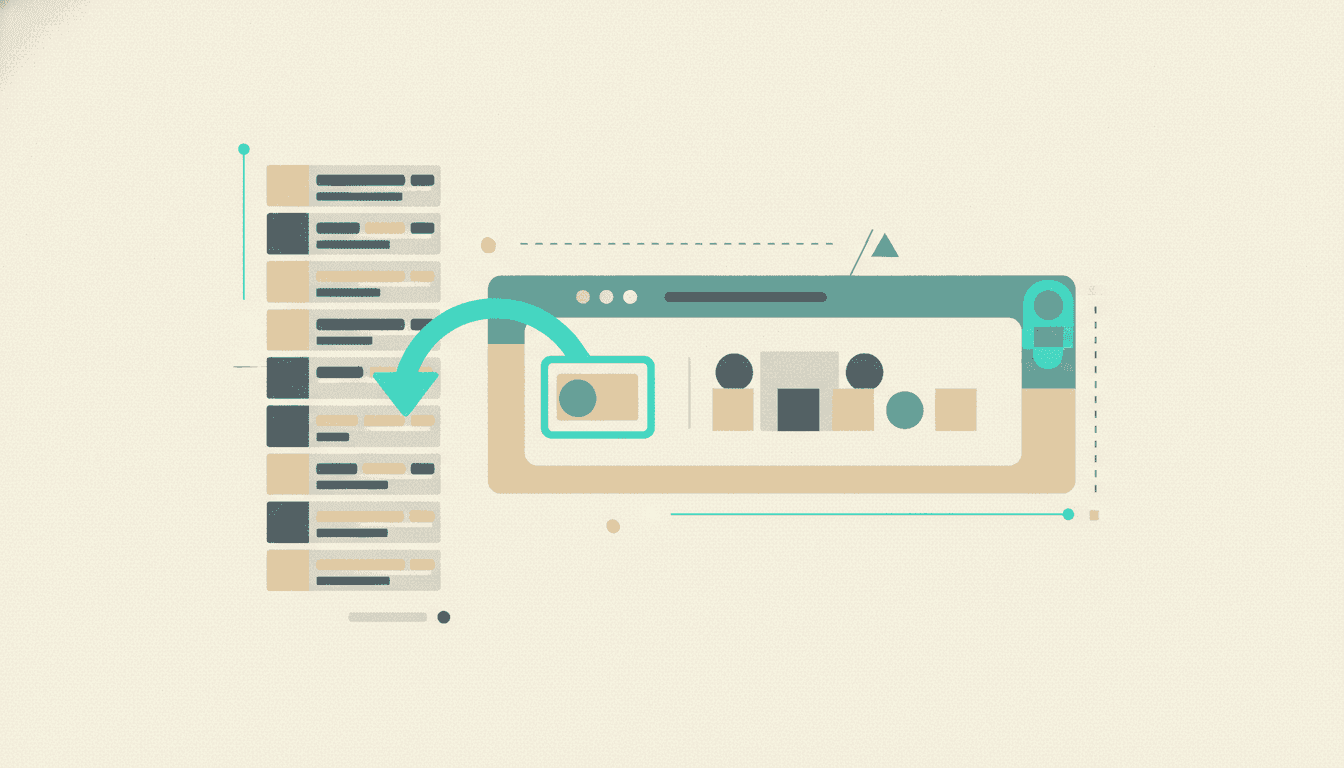
The move isn't to pick a side in the free-versus-paid war. It's to make everything you already follow, both columns, land somewhere searchable so the value stops leaking.
Concretely, that looks like this. Get your newsletters, paid and free, out of your main inbox so they stop drowning in receipts and flight confirmations. Bring your YouTube channels into the same pile, because a lot of the best market thinking now lives in video and video is the least searchable format there is. Then make the whole thing searchable by idea, so you can ask "what have the people I follow said about semis lately" and get the actual quotes back, attributed, no matter which source they came from.
Do that, and the free-versus-paid question basically dissolves. You keep the free stuff because it's free and now you can actually find it. You keep the paid stuff that earns its keep and drop the paid stuff that doesn't, judged on use, not on price. Everything that's worth anything ends up in one archive that keeps paying out long after you read it.
That archive is the thing I ended up building Adviserry to be. It connects to your Gmail, auto-detects the trading newsletters whether you pay for them or not, pulls in your YouTube channels, and lets you ask what any of your creators said about any topic with citations back to the source. I built it because I was tired of my own smartest inputs, free and paid alike, dissolving the day they arrived.
The reframe
I don't keep the free-versus-paid ledger anymore. It was a category error. The two columns I actually care about now are "can I find this" and "can I not," and I spend my energy moving things from the second column to the first instead of arguing about price.
Try it on your own stack. Next time you catch yourself wondering whether some newsletter is worth the money, ask instead whether you could surface what it said last month in under a minute. If yes, you're already winning. If no, that's the fix, and it's got nothing to do with the price.
Adviserry is an educational and research aggregation tool, not a registered investment adviser. Nothing here is financial advice or a recommendation to buy, sell, or hold any security. Summaries reflect what creators you follow have published. Past performance and creator commentary do not predict future results.