Turning the Trading Substacks You Follow Into One Searchable Archive

At some point I looked at my inbox and realized Substack had quietly become the biggest folder in my life that I'd never once searched on purpose. I subscribed to a bunch of market Substacks, one at a time, each one for a good reason, and every reason was some version of "this person is sharp and I don't want to miss what they write."
And then I missed almost all of what they wrote. Not because it landed and I ignored it. It landed, I read it, I thought "good point," and then it dissolved into the same undifferentiated inbox mush as everything else. Two months later, when a setup showed up that one of them had absolutely written about, I had the memory of the insight and no way to get the actual insight back.
Here's the reframe that fixed it for me: the Substacks you follow aren't a reading list, they're an archive you haven't organized yet. They're already arriving in one place. That's a huge head start over scattered content. The problem isn't collection, it's that the collection is unsearchable, and once you see it that way the fix is obvious.
Why Substacks are almost, but not quite, a good system
Substack has one genuinely great property for this: everything lands in your email. Consistent sender, dated, in your inbox. Compared to trying to keep up with the same people across a live feed, that's already a much better starting point. The content comes to you and it stays put.
The trouble is everything after arrival. Your inbox is a stream, not a library. It's sorted by time, which is the least useful axis for research, because you almost never want "the most recent thing." You want "the thing about this specific idea," and time-sorting can't give you that. So the good Substack issue you need is technically sitting right there in your inbox, findable in theory, and completely unfindable in the moment you actually need it, because you're searching for a concept and your inbox only knows exact words and dates.
There's a second problem too, which is that market Substacks blur together. Follow eight people writing about overlapping corners of the market and your inbox becomes a wall of similar-looking subject lines. You can't tell at a glance who said what, and you definitely can't reason across them, which is the entire reason to follow more than one person.
So Substack solves collection and leaves you with everything else. The step it's missing is turning that inbox stream into a searchable library.
The workflow to consolidate them
Here's the actual sequence I use. It's not complicated, and most of it is one-time setup.
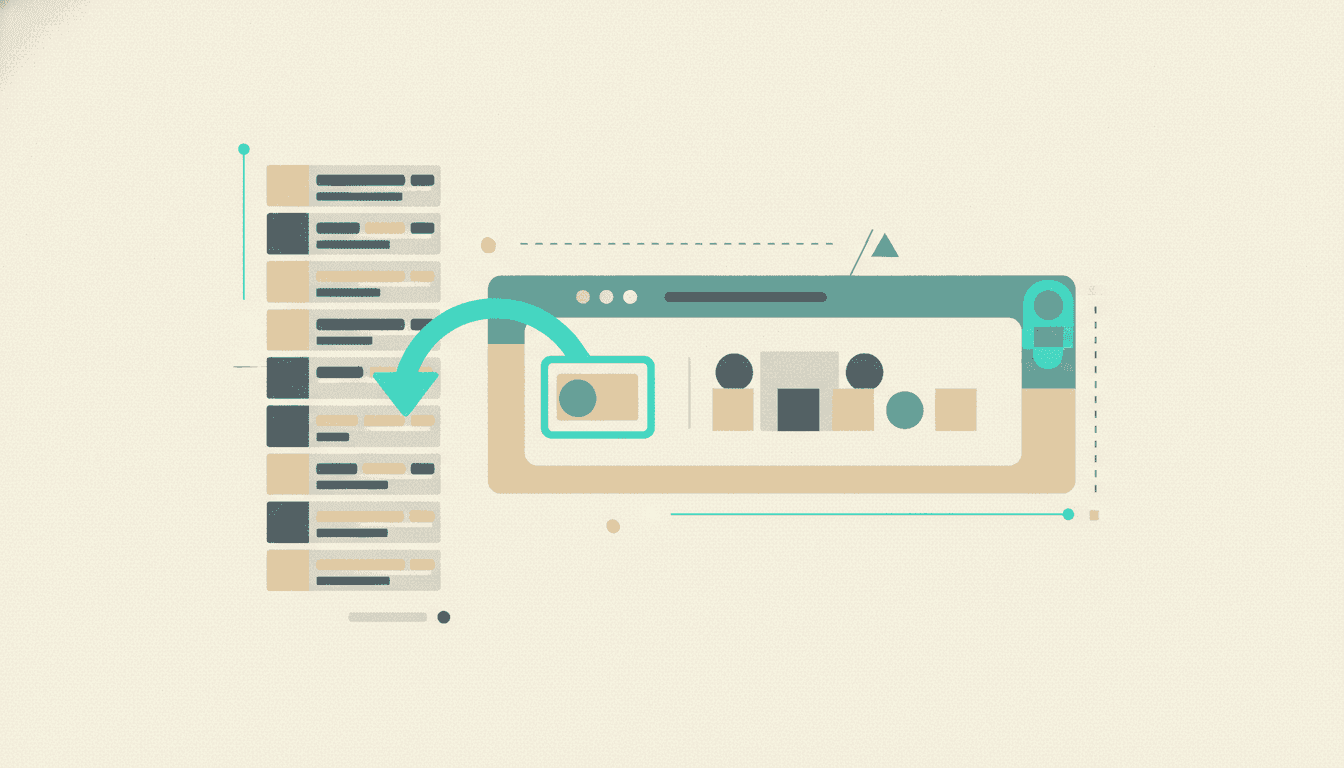
Corral them out of your main inbox. First move, boring, essential. Set a filter that catches your Substacks and pulls them into their own lane so they stop competing with receipts and calendar invites for your attention. You're not reading them here. You're just getting them into one clean pile so the next steps have something to work with. Filtering alone isn't the whole answer, and I wrote about why in how to organize the trading newsletters you already pay for, but it's the necessary first step.
Group by theme, not by author. This is where most filing instincts go wrong. People make one folder per Substack, which feels tidy and is useless, because that is not how you search. When you're researching you don't think "let me check the So-and-so Letter." You think "what has anyone been saying about semis," and that question cuts across five different writers. So group by idea. Macro. Options flow. Small caps. Whatever matches how your brain chunks the market. A single Substack can feed two or three themes and that's fine, you're building a research map, not sorting mail.
Make it searchable by meaning. This is the piece that changes everything and the piece plain folders can never do. You don't remember exact phrasing. You remember the gist, and you want to search the gist. Ask "what have the writers I follow said about rate cuts and small caps" and get back the three issues that touched it, with the real quotes, attributed to whoever wrote them, regardless of the exact words they used. That's retrieval by meaning, and it turns a pile of dead emails into an archive that actually answers questions.
Fold in everything else while you're at it. Most people who follow trading Substacks also follow a few YouTube channels covering the same ground. Pull those into the same archive. Video is the least searchable format there is, so it's the biggest single thing you're currently losing, and getting its transcripts into the same searchable pile as your Substacks means one query covers both.
What it feels like when it's working
The tell is that the low-grade dread goes away. A ticker or a theme shows up on your radar, and instead of "I'm pretty sure someone wrote about this and I'll never find it," you just ask, and there it is. Three writers, their actual words, the dates. You read it, you weigh the disagreements, you form your own view, you move on with your day.
That's the difference between subscribing to a lot of smart Substacks and actually benefiting from them. One is a stack of monthly charges and a vague sense of being covered. The other is a research habit that compounds, because every issue you read keeps paying out months later instead of expiring the day it arrives.
This is the exact thing I built Adviserry to do, because I wanted it and nothing else worked the way I needed. It connects to your Gmail, auto-detects the trading Substacks and newsletters already landing there, pulls in your YouTube channels, and turns the whole pile into one archive you can ask questions of, with citations back to the original issue. I'm biased, I made it. I made it because my own Substack folder was the smartest, most expensive graveyard in my inbox, and I wanted it to be a library instead.
You've already done the hard part, honestly. You found good people and you're paying attention to them. The only thing missing is the step that makes all of it findable. Do that, and the pile you've been quietly building for years finally starts working for you.
Adviserry is an educational and research aggregation tool, not a registered investment adviser. Nothing here is financial advice or a recommendation to buy, sell, or hold any security. Summaries reflect what creators you follow have published. Past performance and creator commentary do not predict future results.