Why You Forget Most of the Market Commentary You Read (And How to Get It Back)

Quick test. Name three specific things you read about the markets last week. Not the general vibe. Three actual claims, with who said them.
I'll wait.
If you're like me, you got maybe one, and even that one is fuzzy. "Somebody was bearish on something? Rates were involved?" That's not a memory. That's a smudge where a memory used to be. And it happens to everyone who reads a lot, which is most people who take markets seriously.
The frustrating part is that you did read it. You spent the time. You paid for a chunk of it. The information passed through your eyeballs and into your head and then, sometime between Tuesday and now, most of it quietly walked out the back door.
You don't have a reading problem. You have a retrieval problem. Those are completely different things, and confusing them is why people keep subscribing to more newsletters hoping the next one will finally stick. It won't. Nothing sticks. That's not how the brain works.
Quick answer: why do you forget what you read?
Your brain doesn't store text. It stores meaning, loosely, and only if you use it. Market commentary you read once and never act on has no hook to hang on, so it gets pruned. The fix isn't better memory or better discipline. It's an external archive you can search by meaning, so the recall happens outside your head, on demand, exactly when a topic becomes relevant again.
Why the good stuff evaporates
There's a concept from memory research called the forgetting curve. The short version: without reinforcement, you lose the bulk of new information within a day or two. It falls off a cliff. This isn't a personal failing, it's standard-issue human hardware.
Now stack the way we consume market content on top of that. You read a thesis on Sunday. It's interesting but not relevant to anything you're doing right now. So your brain, correctly, deprioritizes it. No hook, no reinforcement, gone. The thing that would have made it relevant, a setup or a decision, hasn't happened yet. By the time it does happen, three weeks later, the commentary that would have helped is long gone.
That's the cruel timing of it. The information is most forgettable at exactly the moment you consume it, and most valuable at exactly the moment you can't remember it.
The workarounds most people try (and why they flop)
People aren't dumb about this. They try stuff. It mostly doesn't work, and it's worth knowing why so you stop wasting effort.
Highlighting and saving. Feels productive. You highlight the good bit, save the email, maybe forward it to yourself. Then you never open that folder again, because opening it requires remembering the thing was there, which is the exact capability you just lost.
Note-taking. Better, honestly. Writing something down does reinforce it. But nobody sustains detailed notes on twelve newsletters and four YouTube channels. You do it for a week, feel great, then life happens and the notes stop. And your notes only capture what you thought mattered then, not what turns out to matter later.
Just reading more carefully. The productivity-guru answer. Slow down, take it in, be present. Sure. Doesn't survive contact with a busy week and doesn't beat the forgetting curve anyway. Careful reading of something you don't use is still forgotten, just more slowly.
The common thread: all of these try to fix the storage problem in your head. But your head isn't where this belongs.
The actual fix: retrieval, not memory
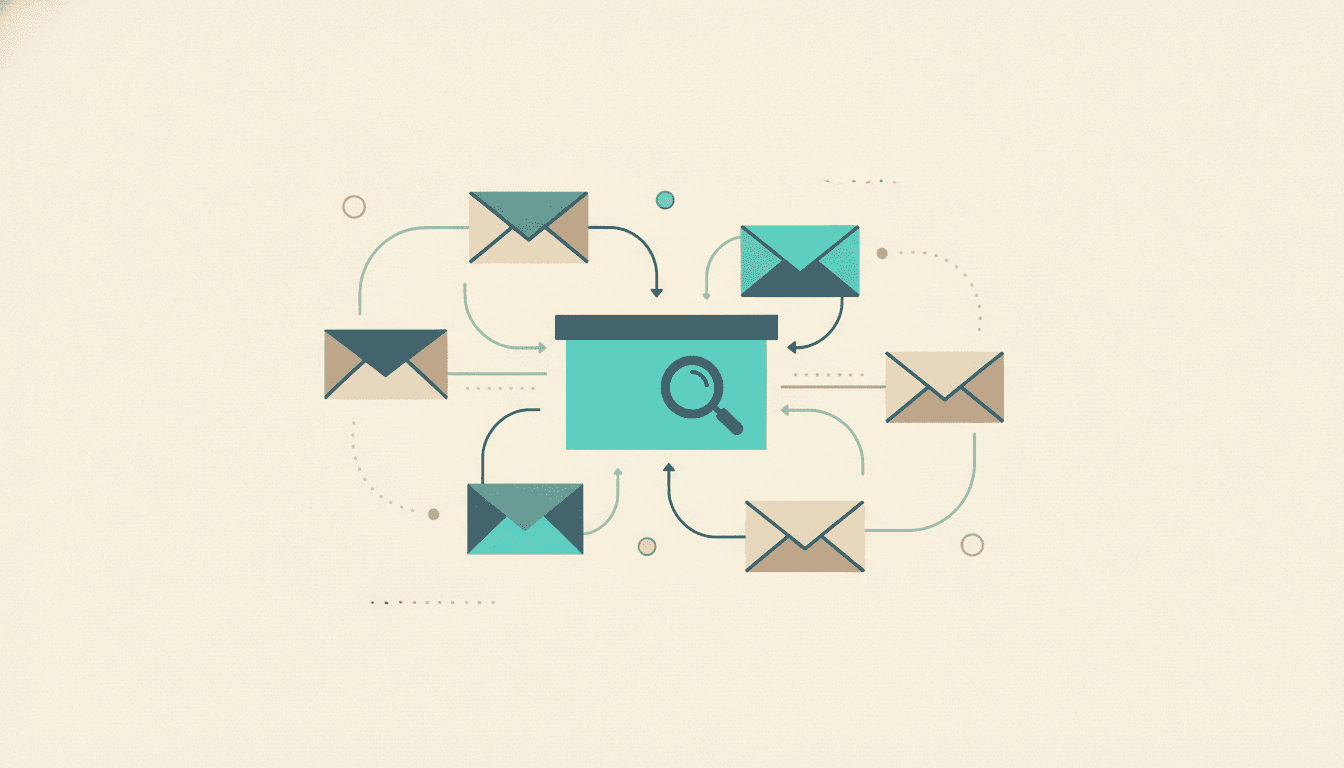
Stop trying to remember. Offload it. The goal is an archive of everything you've read that you can query by meaning, so recall happens on demand instead of relying on your very human, very leaky brain.
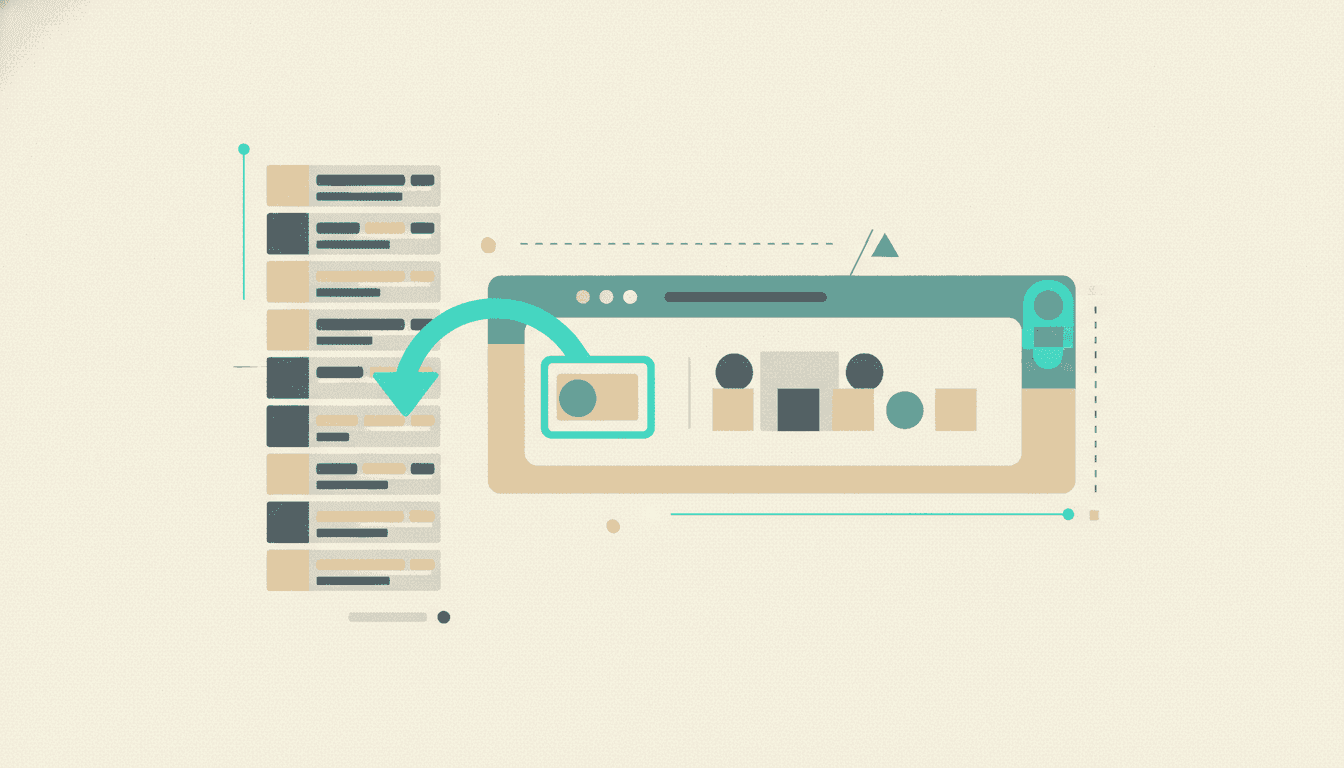
Here's what that looks like in practice. Instead of trying to recall who said what about, say, energy stocks, you just ask the question and get back the passages that actually addressed it, attributed to whoever wrote or said them, with dates. You didn't remember it. You retrieved it. The difference is everything, because retrieval is reliable and memory is not.
This is the core of what Adviserry does for the trader crowd. It reads every newsletter and YouTube video from the creators you tell it to follow, indexes all of it, and lets you ask questions in plain language. Not keyword search, meaning search. Ask "what have my creators said about the dollar lately" and get the real answers with citations, even if none of them used your exact words. It's the external retrieval layer your brain has been begging for.
I built it, so grain of salt. But I built it because I was tired of paying for insight I couldn't find later. The reading was fine. The forgetting was the whole problem.
What changes when you fix this
The best part isn't even the retrieval itself. It's what happens to your reading once you trust the archive.
You stop reading defensively. Right now, some part of you knows you'll forget everything, so you either over-read (trying to cram it all in) or under-read (why bother, it won't stick). Both are miserable. Once you know it's all captured and searchable, you can read loosely, skim freely, and let the archive do the remembering. You engage with content like a curious person instead of a nervous student cramming for a test that never comes.
I still forget almost everything I read. Genuinely. My brain is as leaky as yours. The difference now is that it doesn't matter, because the stuff I read isn't living in my head anymore. It's living somewhere I can ask.
Curious how much you're currently reading versus actually using? The free trading-newsletter audit gives you a rough number in about thirty seconds. It's a little uncomfortable. Most useful things are.
Adviserry is an educational and research aggregation tool, not a registered investment adviser. Nothing here is financial advice or a recommendation to buy, sell, or hold any security. Summaries reflect what creators you follow have published. Past performance and creator commentary do not predict future results.