Your Best Podcast Ideas Die by Lunch
Your Best Podcast Ideas Die by Lunch
You know the feeling. You finish a podcast episode, brain fizzing, half a dozen ideas you swear you'll act on. Then you get a coffee, answer three Slack messages, and by 11am the whole thing is a warm blur. You remember you liked it. You could not tell me a single thing the guest actually said.
I've done this hundreds of times. Probably a thousand. I've listened to something like 400 hours of founder podcasts, watched My First Million more times than is dignified to admit, and I retained roughly the vibe. Ask me what Hormozi said about pricing tiers for a service business, the specific framework, and I'll give you a confident shrug.
Here's the thing that bugged me for years: it's not a content problem. The content is great. It's a storage problem. The good stuff goes into a 90-minute audio file and stays there, and my brain is a leaky bucket.
Podcasts are a broadcast medium pretending to be a knowledge base.
A podcast is built to be interesting to a lot of people at the moment they press play. It is not built to be searchable, and it is definitely not built around your specific problem. So the value shows up once, in a fixed order, at the creator's convenience, and then it's your job to remember it forever. Nobody does this. You go with your gut and hope it lines up with something you heard on a walk in March.
That gap, between consuming something and being able to actually use it later, is the whole reason I ended up building Adviserry. Not as another place to listen. As the layer that catches what you already listened to.
The trick isn't more listening. It's turning the shows you already follow into something you can talk to.
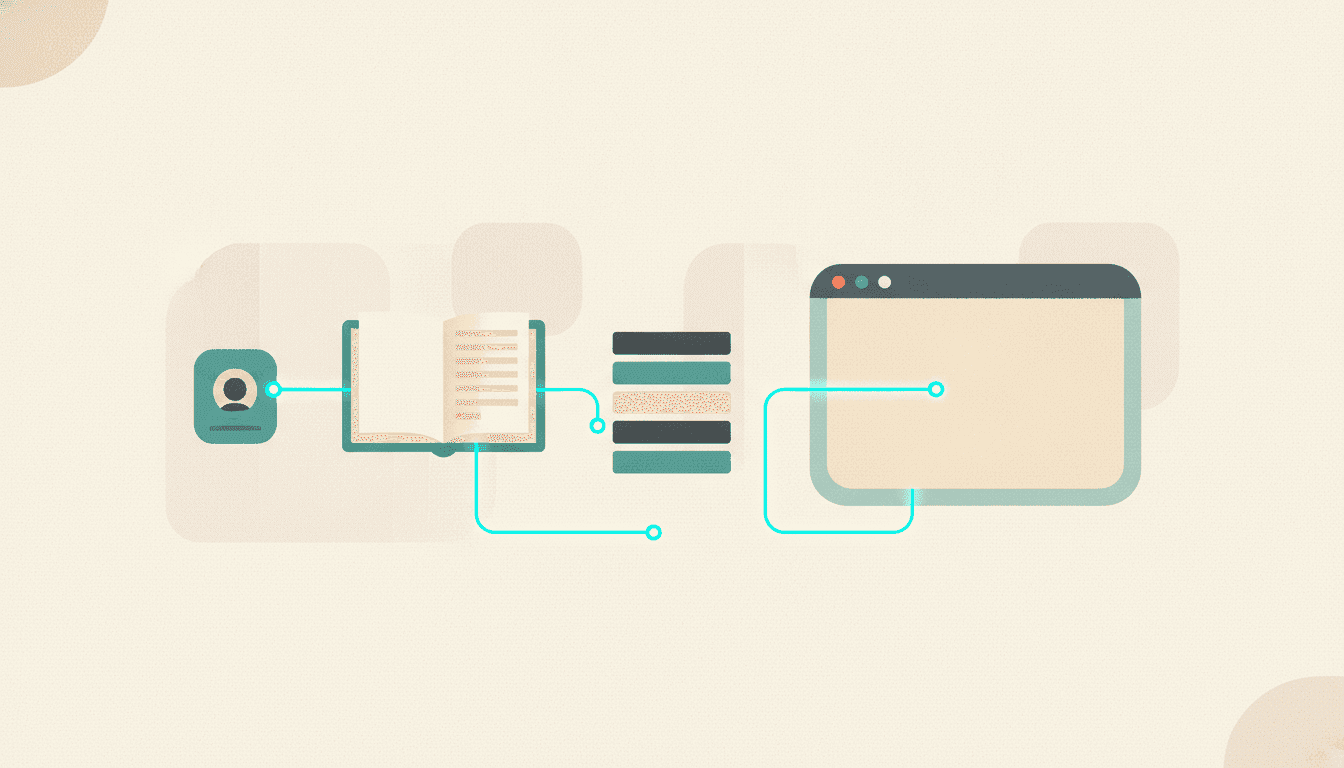
Adviserry connects to the YouTube channels and newsletters you already follow (and a huge chunk of the best podcasts live on YouTube now, so this covers most of them). When a new episode drops, it grabs the transcript, writes a real summary, and files the whole thing into an archive you own. No re-listening. No scrubbing to the 47-minute mark trying to find the one line you half remember.
Then the part that actually changed how I work: you can ask it questions. Instead of hoping you absorbed the right thing, you type "what have the people I follow said about hiring your first salesperson?" and you get an answer, pulled from the actual episodes, with the sources attached. Sourced and specific beats a confident shrug every time.
Group your sources by what you're actually working on.
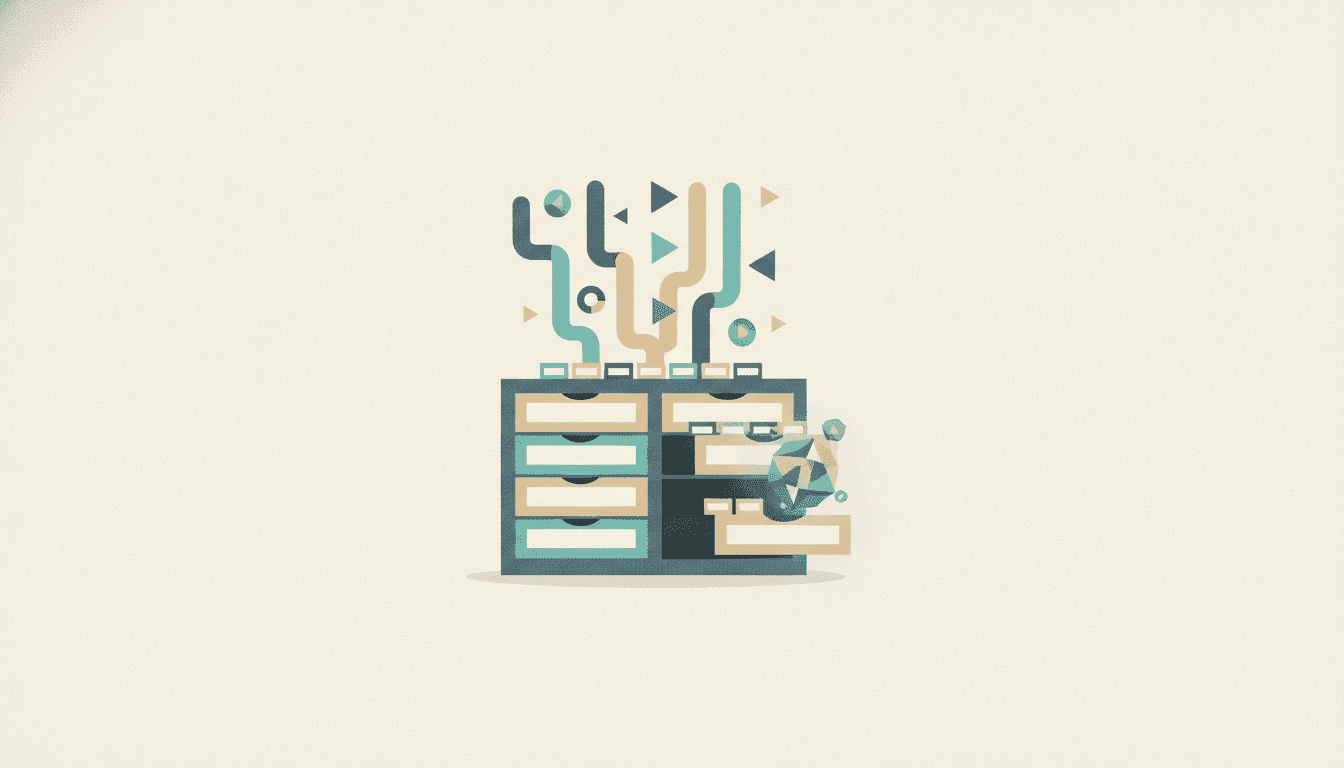
You can drop your sources into panels, which are just topic buckets. One for growth, one for hiring, one for whatever fire you're currently putting out. So when you're staring down a real decision, you're not querying the entire internet. You're querying the small set of people you deliberately chose to trust on that exact thing. It's the difference between "what does the web think" and "what do my people think."
There's a daily briefing too, which quietly became the thing I read instead of scrolling first thing in the morning. And because it runs on MCP, the whole archive shows up inside Claude and ChatGPT, so I can pull from it right in the middle of whatever I'm already writing. That last one still feels a little like cheating.
This is really for people drowning in good content.
If you subscribe to a pile of great shows and constantly feel behind, this is for you. Founders, operators, anyone who consumes a lot to stay sharp and then can't find the sharp bits when it counts. It's also genuinely useful for a team, because one person can pull the key points from an episode and everyone gets the digest instead of five people separately half-listening to the same two hours.
Quick, honest example of how it actually plays out. Say I'm working on pricing for a new thing. Over a week I'd normally listen to four or five relevant episodes, feel smart, and retain almost none of it. Now I open the archive, ask what my sources have said about validating price before launch, and notice the same piece of advice showing up from three different people I trust. That's not a vibe anymore. That's a pattern I can act on this afternoon.
I want to be straight about what this is and isn't, because the "second brain" crowd oversells hard. This is not magic and it will not think for you. What it does is boring and useful: it remembers, so you don't have to, and it hands the right piece back when you ask. That's it. That's the whole pitch. And after a couple thousand episodes of watching my best ideas evaporate by lunch, boring and useful is exactly what I wanted.
If you're tired of great conversations vanishing into thin air, give it a look. Point it at the shows you already follow and see what your next episode looks like when it doesn't disappear on you.
Keep Reading:
- Why Podcasts and YouTube Aren't Enough: The Missing Layer Between Consuming and Applying: the retrieval problem in more depth
- How to Turn Your YouTube Subscriptions Into a Searchable Knowledge Base: the step-by-step setup
- I Used to Spend 4 Hours a Week Consuming Content. Now I Spend 4 Minutes Getting Answers.: what the time actually buys you